
The Oregon District: History and Identity in Dayton, Ohio
The Oregon District stands as one of Dayton, Ohio’s most historically significant neighborhoods, reflecting the city’s architectural heritage and evolving cultural identity. Located just east of downtown Dayton, this district preserves a concentrated collection of 19th-century buildings that illustrate the city’s early growth. Its relevance extends beyond preservation, as it shapes how residents understand urban development, land use, and neighborhood identity in southwestern Ohio.
Understanding the Oregon District provides insight into how Dayton’s past continues to influence present-day property values, land management practices, and neighborhood character, much like other preserved green and public spaces discussed in Five Rivers MetroParks in Dayton.
Origins and Early Development
The Oregon District began developing in the early 1800s, during a period when Dayton was expanding as a transportation and industrial hub. Its name likely originated from the Oregon Territory enthusiasm of the mid-19th century, reflecting national expansion trends at the time.
Initially, the district served as a residential and commercial center for skilled workers, merchants, and craftsmen. Brick row houses, narrow streets, and mixed-use buildings defined the area, demonstrating early urban planning patterns before zoning regulations became standardized.
This early growth aligned with Dayton’s rise as a manufacturing center, supported by proximity to waterways and later rail systems. According to historical data from the National Park Service, districts like this often developed near economic corridors, reinforcing their long-term importance in city structure.
Architectural Identity and Preservation
One of the defining features of the Oregon District is its architecture, which remains largely intact due to preservation efforts that began in the mid-20th century. The district showcases Federal, Greek Revival, and Victorian styles, each reflecting different periods of construction.
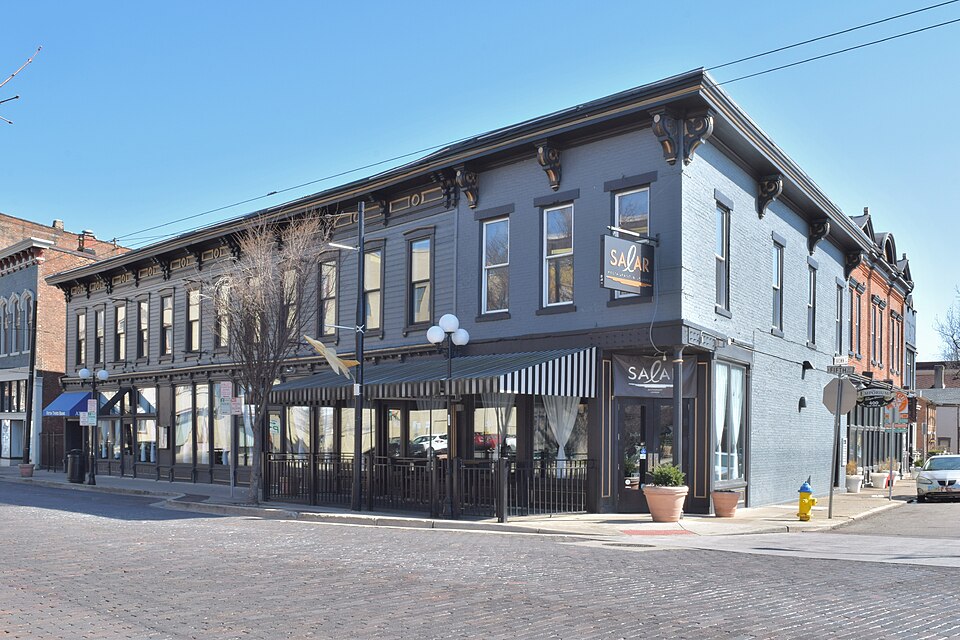
Image Credit: HistoricBuildingFan, CC BY-SA 4.0, via Wikimedia Commons
Key architectural characteristics:
- Brick facades with narrow frontages
- Decorative cornices and window lintels
- Mixed residential and commercial layouts
- Walkable street design with minimal setbacks
These features illustrate pre-automobile urban design, where neighborhoods prioritized pedestrian access and density. This contrasts with modern suburban development patterns common in other parts of Dayton and Montgomery County.
Preservation efforts gained momentum after urban renewal projects in the 1960s threatened historic neighborhoods nationwide. Organizations referenced by resources like the National Trust for Historic Preservation helped establish guidelines that protect structures while allowing adaptive reuse.
Cultural Significance and Community Identity
Over time, the Oregon District evolved into a cultural hub within Dayton. While its physical structures remained rooted in the 19th century, its social identity adapted to modern uses, including arts, dining, and small-scale commerce.
This blend of historic infrastructure and contemporary activity contributes to a unique sense of place. Urban planners often refer to this as “adaptive reuse,” a process where older buildings are repurposed without losing their historical character.
For residents, this identity influences:
- Property maintenance standards
- Neighborhood aesthetics
- Local zoning considerations
- Community engagement in preservation efforts
These factors help maintain consistency in the district’s appearance and function, reinforcing its role as a stable and recognizable part of Dayton.
Climate and Environmental Context in Dayton
Dayton’s humid continental climate plays a subtle but important role in shaping the Oregon District’s built environment. The region experiences four distinct seasons, including cold winters, warm summers, and moderate precipitation throughout the year.
According to the National Weather Service, Dayton averages over 40 inches of annual rainfall, which affects building materials, landscaping, and long-term property maintenance. Historic brick structures, for example, require careful moisture management to prevent deterioration.
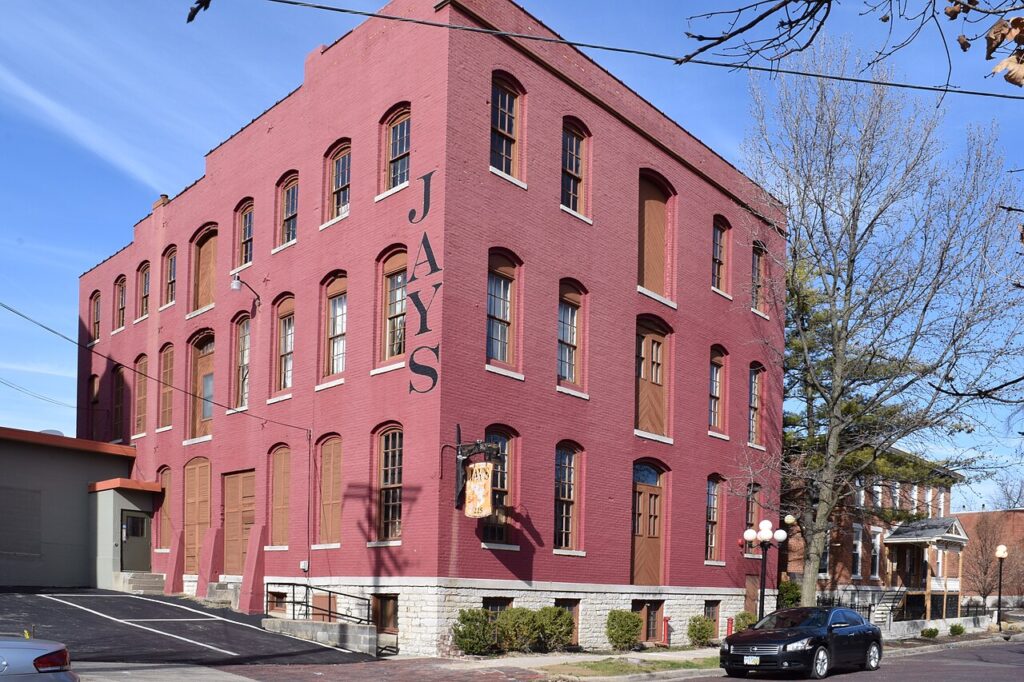
Image credit: HistoricBuildingFan, CC BY-SA 4.0, via Wikimedia Commons
Seasonal changes also influence how public and private outdoor spaces are used. Freeze-thaw cycles—where water expands and contracts during temperature shifts—can impact sidewalks, foundations, and older infrastructure commonly found in historic districts.
These environmental conditions make preservation more complex, requiring ongoing attention to drainage, vegetation, and structural integrity.
Urban Planning and Modern Relevance
Today, the Oregon District serves as a model for historic preservation integrated with modern urban planning. Its layout contrasts with newer developments, offering insight into sustainable density and walkability.
Planning concepts reflected in the district:
- Mixed-use development (residential and commercial in close proximity)
- Human-scale design that prioritizes pedestrians
- Limited reliance on large parking infrastructure
- Preservation-based zoning approaches
These elements align with contemporary planning strategies promoted by organizations like the American Planning Association, which emphasize compact, walkable communities. For Dayton residents, the district demonstrates how older neighborhoods can remain functional and relevant without extensive redevelopment. It also highlights the importance of balancing preservation with modernization.
A Living Representation of Dayton’s Past
The Oregon District remains a vital part of Dayton’s identity, connecting historical development with present-day urban life. Its preserved architecture, cultural significance, and environmental context all contribute to its lasting importance.
By maintaining its structural integrity and adapting to modern needs, the district continues to illustrate how cities can evolve without losing their historical foundations. For residents and observers alike, it offers a clear example of how local history shapes the character and function of a community.