
Cincinnati Zoo & Botanical Garden in Cincinnati, Ohio: A Local Landmark
Historical Significance and Urban Context
The Cincinnati Zoo & Botanical Garden stands as one of the oldest zoological institutions in the United States, established in 1875. Located in the Avondale neighborhood, it has long served as both a scientific facility and a cultural landmark within Cincinnati, Ohio. Its presence reflects the city’s broader history of public green spaces, which were designed to improve urban living conditions during periods of industrial growth.
This legacy continues to influence how residents interact with outdoor environments. In a region where seasonal lawn care and landscape management are shaped by humid summers and cold winters, large public gardens like the zoo provide a visible model of plant resilience and ecological planning.
Botanical Collections and Regional Plant Adaptation
The botanical garden component of the zoo plays a critical role in showcasing plant species suited to the Ohio River Valley. This region falls within USDA Hardiness Zone 6, meaning plants must tolerate winter temperatures that can drop below -10°F. The zoo’s curated gardens demonstrate how perennials, ornamental grasses, and native shrubs adapt to these fluctuations.
Because Cincinnati experiences approximately 42 inches of annual precipitation, according to the National Weather Service, plant selection must also account for moisture variability. The zoo’s horticultural displays often incorporate:
- Native species such as oakleaf hydrangea and eastern redbud
- Drought-tolerant perennials for summer heat resilience
- Layered planting designs to reduce soil erosion
These strategies mirror best practices used in residential landscaping throughout Cincinnati.
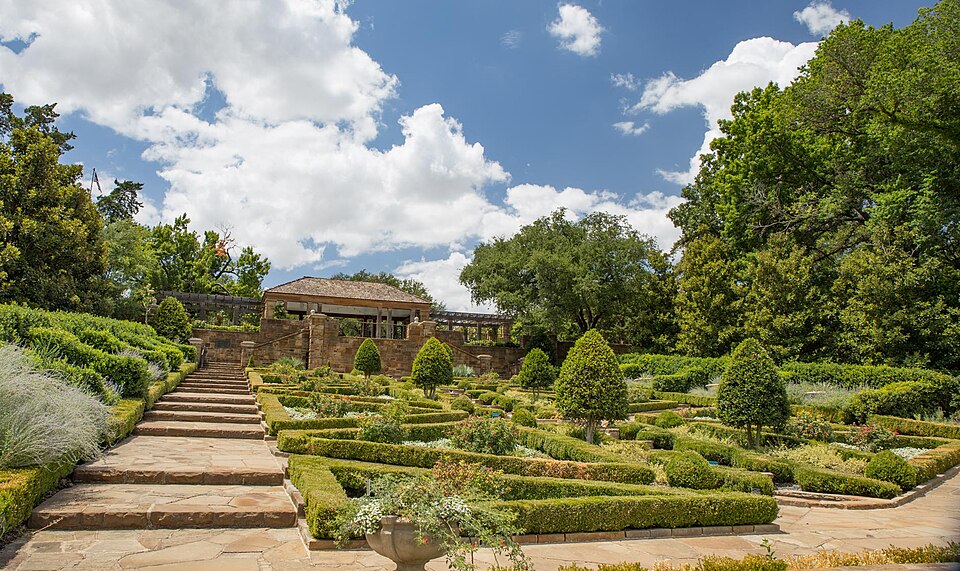
Image Credit: Renelibrary, CC BY-SA 4.0, via Wikimedia Commons
.jpg)
Wildlife Conservation and Environmental Education
Beyond its botanical features, the zoo contributes significantly to wildlife conservation and environmental research. It participates in Species Survival Plans (SSPs), which are coordinated breeding programs designed to maintain genetic diversity in endangered species.
This conservation work connects directly to broader ecological awareness in the region. Urban and suburban residents increasingly encounter issues such as habitat fragmentation and declining pollinator populations. According to the U.S. Environmental Protection Agency’s pollinator resources, maintaining biodiversity in managed landscapes supports both agriculture and ecosystem stability.
As a result, the zoo functions not only as an attraction but also as an educational resource that informs how local environments are managed, including residential lawns and gardens.
Seasonal Changes and Their Local Impact
Cincinnati’s four-season climate strongly influences how both the zoo and surrounding properties are maintained throughout the year. Each season presents distinct challenges and opportunities for plant care and landscape management.
Spring Growth and Soil Preparation
Spring in Cincinnati typically brings increased rainfall and moderate temperatures, creating ideal conditions for plant growth. Soil preparation becomes essential, as clay-heavy soils common in southwestern Ohio can compact easily. The zoo’s early-season planting cycles reflect the importance of aeration and nutrient management.
Summer Heat and Moisture Management
Summers often feature high humidity and temperatures exceeding 85°F. These conditions can stress turfgrass and ornamental plants. The zoo mitigates this through mulching, irrigation planning, and shade management—techniques that are equally relevant to residential landscapes.
Fall Transition and Leaf Management
Autumn introduces cooler temperatures and significant leaf drop from deciduous trees. Proper leaf management helps prevent fungal diseases and promotes healthy soil decomposition. The zoo’s grounds illustrate how organic matter can be reused to enrich soil structure.
Winter Dormancy and Protection
Winter conditions in Cincinnati require plants to enter dormancy, a state where growth temporarily stops to conserve energy. Protective measures such as mulching and selecting cold-hardy species are essential. These practices align with recommendations from institutions like Ohio State University Extension, which emphasizes winterization for long-term plant health.
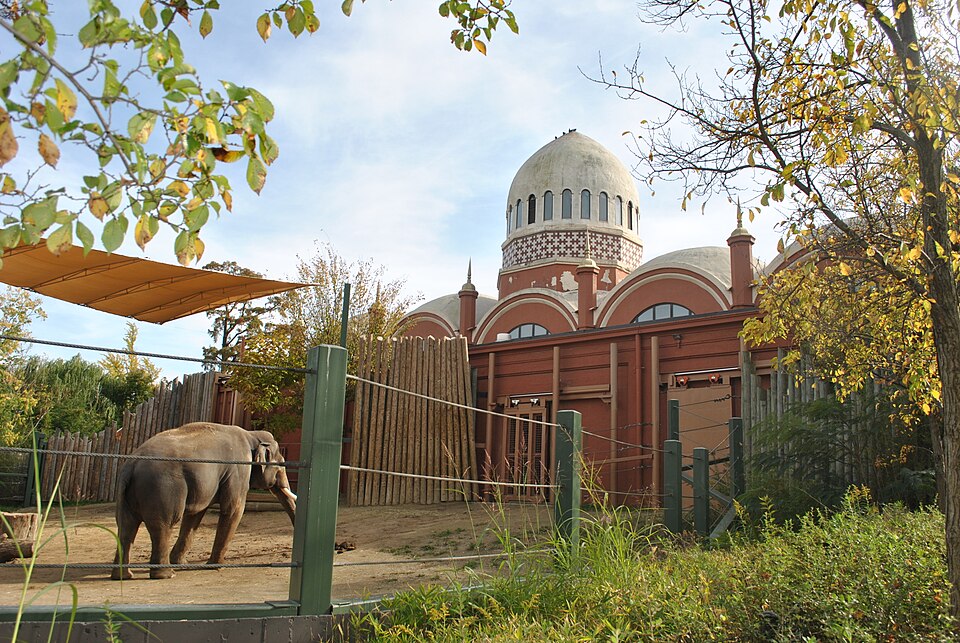
Image Credit: Joe D. Good, CC BY-SA 4.0, via Wikimedia Commons

Infrastructure, Sustainability, and Urban Ecology
The Cincinnati Zoo & Botanical Garden has also become a recognized leader in sustainable infrastructure. It has implemented green initiatives such as solar energy systems, stormwater management, and green roofs. These systems reduce environmental impact while improving energy efficiency.
Stormwater management, in particular, holds local relevance. Cincinnati’s combined sewer system can become overwhelmed during heavy rainfall events. By incorporating permeable surfaces and rain gardens, the zoo helps reduce runoff and improve water quality in nearby waterways.
This approach reflects a broader shift in urban planning across Cincinnati, where sustainability practices increasingly influence both public and private landscapes. Homeowners and property managers often adopt similar strategies to address drainage issues and comply with local environmental guidelines.
Cultural and Community Importance
The zoo remains deeply embedded in Cincinnati’s cultural identity. It serves as a gathering place for educational programs, seasonal events, and community engagement. Its accessibility within the city makes it a consistent point of interaction between residents and managed green space.
Moreover, its long-standing presence reinforces the value of maintaining well-designed outdoor environments. In a city where climate variability and soil conditions require careful planning, the zoo exemplifies how landscapes can balance aesthetics, function, and ecological responsibility.