
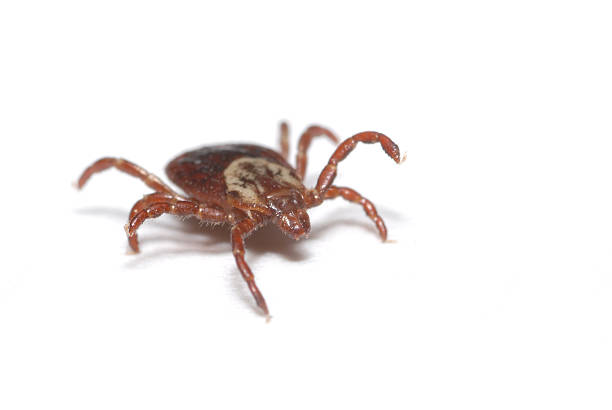
5 Yard Tips to Reduce the Population of Ticks on Your Property
5 Yard Tips to Reduce the Population of Ticks on Your Property
Ticks are more than just a nuisance—they can carry diseases that affect both people and pets. If you’ve noticed ticks in your yard or want to prevent an infestation, taking proactive steps can significantly reduce their population. By making your property less attractive to ticks and the wildlife that carry them, you can create a safer outdoor environment.
Here are five proven yard maintenance tips to help reduce ticks on your property.
1. Keep Your Grass Mowed and Landscaping Maintained
Ticks thrive in cool, moist environments and often hide in tall grass and overgrown vegetation. Regular lawn maintenance is one of the simplest and most effective ways to reduce tick habitats.
Best Practices:
- Mow your lawn regularly and keep grass short.
- Trim shrubs, bushes, and tree branches.
- Remove weeds and overgrown ground cover.
- Clear away leaf litter and yard debris.
A well-maintained yard allows more sunlight to reach the ground, creating conditions that are less favorable for ticks.
2. Create a Barrier Between Wooded Areas and Your Lawn
Ticks commonly live in wooded areas and can migrate into residential yards. Installing a physical barrier can help limit their movement.
Effective Barrier Options:
- Place a 3-foot-wide strip of wood chips or gravel between your lawn and wooded areas.
- Keep playground equipment and patios away from forest edges.
- Maintain clear boundaries between landscaped areas and natural vegetation.
These barriers create dry, exposed zones that ticks are less likely to cross.
3. Remove Tick-Friendly Hiding Places
Ticks seek shelter in damp, shaded locations. Eliminating these hiding spots can make your property much less inviting.
Areas to Address:
- Leaf piles
- Brush piles
- Stacked lumber
- Unused landscaping materials
- Dense ground cover plants
Regular cleanup not only improves your yard’s appearance but also reduces the moisture and cover ticks need to survive.
4. Discourage Wildlife That Carry Ticks
Many tick populations are introduced and sustained by wildlife such as deer, mice, raccoons, and other animals.
Ways to Reduce Wildlife Activity:
- Install fencing to deter deer.
- Secure garbage cans and compost bins.
- Remove bird feeders if they attract rodents.
- Store pet food indoors.
- Seal gaps around sheds and outbuildings.
Reducing wildlife traffic can significantly lower the number of ticks brought onto your property.
5. Consider Professional Tick Control Treatments
For properties with persistent tick problems, professional tick control services can provide an additional layer of protection.
Professional Treatments May Include:
- Targeted yard sprays
- Tick habitat assessments
- Perimeter treatments around wooded areas
- Seasonal maintenance programs
A professional pest control provider can identify high-risk areas and develop a customized treatment plan to help reduce tick populations throughout the year.
Protect Your Family and Pets from Ticks
Reducing ticks on your property requires a combination of regular yard maintenance, habitat modification, and wildlife management. By keeping your lawn trimmed, removing debris, creating landscape barriers, discouraging wildlife, and considering professional treatments, you can significantly lower the risk of tick encounters.
If you’re concerned about ticks on your property, taking action now can help protect your family, pets, and outdoor living spaces all season long.
Frequently Asked Questions About Ticks
What attracts ticks to a yard?
Ticks are attracted to tall grass, dense vegetation, leaf litter, shaded areas, and wildlife such as deer and rodents.
Does mowing the lawn help reduce ticks?
Yes. Regular mowing reduces the cool, humid environments that ticks prefer and makes your yard less hospitable to them.
Are ticks active year-round?
Ticks are most active during warmer months, but some species can remain active whenever temperatures are above freezing.
Should I hire a professional for tick control?
If tick populations are high or your property borders wooded areas, professional tick control treatments can be an effective solution.