
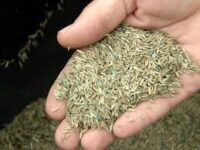
Does Grass Seed Go Bad? How to Tell If It’s Still Good to Plant
If you’ve ever discovered a half-used bag of grass seed in your garage or shed, you’ve probably wondered: does grass seed go bad? The short answer is yes — but not in the way food spoils. Grass seed doesn’t rot or mold easily, but its germination rate drops over time, meaning fewer seeds will successfully sprout.
In this post, we’ll explain how long grass seed lasts, how to tell if yours has gone bad, and how to store it properly to make the most of your investment.
How Long Does Grass Seed Last?
Most high-quality grass seed stays viable for 1 to 3 years when stored in a cool, dry place. The exact lifespan depends on a few factors:
- Type of grass: For example, fescue and Kentucky bluegrass tend to last longer than ryegrass.
- Storage conditions: Temperature and humidity are major factors. Heat and moisture can drastically shorten seed life.
- Packaging: Sealed, moisture-proof bags help extend shelf life.
General Shelf Life Estimates:
| Grass Type | Shelf Life (Ideal Conditions) |
|---|---|
| Fescue | 3 years |
| Kentucky Bluegrass | 2-3 years |
| Perennial Ryegrass | 1-2 years |
| Bermuda | 2-3 years |
How to Tell If Grass Seed Has Gone Bad
Even if the seed looks fine, germination potential may be low. Here’s how to check if your grass seed is still good:
-
Perform a simple germination test:
- Place 10–20 seeds between damp paper towels.
- Seal in a plastic bag and keep it at room temperature for a week.
- If fewer than 7 out of 10 seeds sprout, it’s probably time to buy new seed.
-
Check the date on the label:
Most bags list a “tested” or “sell by” date. Aim to use seed within a year of this date for the best results. -
Look for moisture or mold:
If the seed feels damp, clumpy, or smells musty, it’s likely been exposed to moisture and should be discarded.
Best Practices for Storing Grass Seed
Proper storage can greatly extend the life of your seed. Here’s how to keep it in good condition:
- Keep it dry: Moisture is grass seed’s worst enemy. Store in an airtight container or sealable plastic bin.
- Stay cool: A consistent, moderate temperature (ideally 40–60°F) helps preserve seed viability.
- Avoid direct sunlight: UV exposure can degrade seed quality.
- Label your seed: Write down the purchase date and grass type so you know how old it is when you use it again.
Can You Plant Old Grass Seed?
Yes, but expect lower germination rates. To improve your odds:
- Use a bit more seed than usual to compensate for lower viability.
- Mix old seed with a fresh batch if possible.
For large areas or expensive landscaping projects, it’s often more cost-effective to start fresh with new seed.
Final Thoughts
Grass seed doesn’t technically “go bad,” but it does lose its ability to sprout over time. With proper storage, you can keep seed viable for several seasons — saving money and ensuring a lush, healthy lawn.
Key takeaway: Keep your grass seed cool, dry, and sealed, and it’ll be ready to grow when you are.