
Soil Testing Guidelines for Dayton Lawns: A Local Homeowner’s Guide
Healthy lawns in Dayton, Ohio don’t happen by accident—they start with what’s happening beneath the surface. Soil testing is the foundation of effective lawn care because it reveals nutrient levels, pH balance, and overall soil health. For homeowners across Montgomery County and surrounding communities like Kettering and Beavercreek, understanding soil conditions can make the difference between a struggling lawn and one that thrives year-round.
As we explore soil testing guidelines specific to Dayton lawns, you’ll see how local climate, soil composition, and best practices all work together to support long-term turf health.
Why Soil Testing Matters in Dayton, Ohio
Dayton sits within a region known for clay-heavy soils, which can compact easily and restrict root growth. Soil testing identifies these limitations early, allowing for targeted improvements rather than guesswork.
According to the USDA Natural Resources Conservation Service, soil health directly impacts water retention, nutrient cycling, and plant resilience. For homeowners, that translates to fewer weeds, better drought tolerance, and stronger grass roots.
This becomes especially important in Southwest Ohio, where seasonal fluctuations—from humid summers to freezing winters—place stress on turfgrass. Testing ensures your lawn receives exactly what it needs to adapt and recover.
Key Components of a Lawn Soil Test
Understanding your soil report helps you make smarter lawn care decisions. A standard soil test typically measures the following:
Soil pH Level
Soil pH indicates how acidic or alkaline your soil is, measured on a scale from 0 to 14. Most turfgrass in Dayton grows best between 6.0 and 7.0.
If your soil falls outside this range, nutrients become less available to grass roots. For example, overly acidic soil can limit phosphorus uptake, even if it’s present.
Nutrient Levels
A soil test evaluates essential nutrients, including:
- Nitrogen (N): Promotes green growth
- Phosphorus (P): Supports root development
- Potassium (K): Enhances stress resistance
Research from Ohio State University Extension highlights that balanced nutrient levels are critical for turf density and disease resistance, especially in Ohio’s transitional climate zone.
Soil Composition
Soil structure—whether it’s sandy, loamy, or clay-based—affects drainage and aeration. In Dayton, clay soils dominate, which often leads to compaction.
Compacted soil restricts oxygen flow to roots, making aeration and organic amendments essential for long-term improvement.
When and How to Test Your Lawn Soil
Timing matters when it comes to soil testing. In Dayton, the best times are early spring and fall, when grass is actively growing but not under extreme stress.
How to Collect a Soil Sample
Follow these steps for accurate results:
- Remove debris and grass from the surface
- Dig 3–4 inches deep using a clean tool
- Collect samples from multiple areas of your lawn
- Mix samples together for a representative composite
- Allow soil to dry before sending it to a lab
Local homeowners often use regional labs or university extension services to ensure accurate, Ohio-specific recommendations.
Interpreting Results for Dayton Lawn Care
Once you receive your soil report, the next step is translating those numbers into action. This is where localized expertise becomes valuable.
Adjusting Soil pH
If your soil is too acidic, lime applications can raise the pH. Conversely, sulfur can lower overly alkaline soil. These adjustments should be gradual to avoid shocking the lawn.
Improving Soil Structure
Clay-heavy soils benefit from:
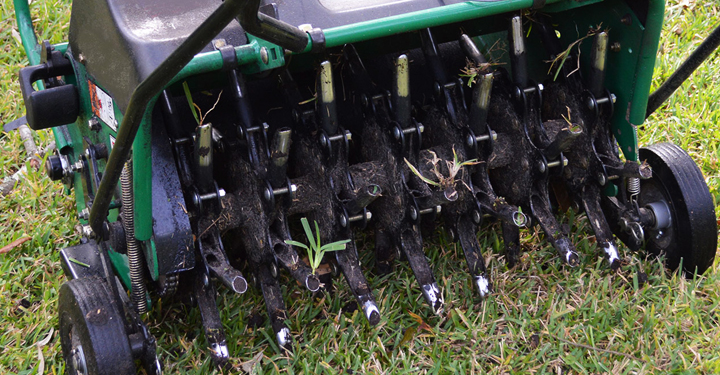
- Core aeration (removing small plugs of soil to relieve compaction)
- Organic matter additions such as compost
- Consistent watering practices to prevent hardening
These practices improve airflow, water infiltration, and root expansion over time.
Targeted Fertilization
Rather than applying generic fertilizers, soil testing allows for customized nutrient applications. This reduces excess runoff and supports environmentally responsible lawn care—an important consideration for families and pets.
Local Factors That Influence Soil Health in Dayton
Beyond basic testing, several regional factors impact lawn performance in Dayton and nearby areas like Centerville and Fairborn.
Climate and Seasonal Stress
Hot, humid summers can increase disease pressure, while cold winters may damage roots. Healthy soil acts as a buffer, helping grass recover more quickly.
Urban and Suburban Soil Disturbance
Construction and grading often strip away topsoil, leaving compacted subsoil behind. Soil testing helps identify these issues and guides restoration efforts.
Organic Lawn Care Considerations
For homeowners seeking safer, eco-friendly solutions, organic lawn care focuses on building soil biology. This includes beneficial microbes that break down organic matter and release nutrients naturally.
Over time, this approach creates a self-sustaining lawn ecosystem rather than relying heavily on synthetic inputs.
Applying Soil Testing to Long-Term Lawn Success
Soil testing is not a one-time task—it’s an ongoing process that evolves with your lawn. Regular testing every 2–3 years helps track progress and adjust treatments as needed.
More importantly, it shifts your approach from reactive to proactive. Instead of treating symptoms like weeds or patchy grass, you address the root cause: soil health.
This mindset leads to more consistent results, lower maintenance costs, and a lawn that performs well across all seasons.
Get Expert Soil Testing and Organic Lawn Care in Dayton
Understanding your soil is the first step toward a healthier lawn, but applying those insights effectively requires experience and local knowledge. That’s where Purelawn Organic Lawncare comes in.
With customized treatment programs designed specifically for Dayton-area soils, their team focuses on improving soil structure, strengthening root systems, and reducing reliance on unnecessary chemicals. Services like core aeration, organic-based fertilization, and soil amendments are tailored to your lawn’s unique needs.
Homeowners across Dayton, Kettering, Beavercreek, and surrounding communities trust a more thoughtful, organic approach to lawn care that’s safer for families, pets, and the environment.
If you’re ready to take the guesswork out of lawn care and build a safer, more resilient yard for your family, reach out through this contact page to get started.