
Planning Next Year’s Lawn in Cincinnati: An Off Season Guide for Clay Soil
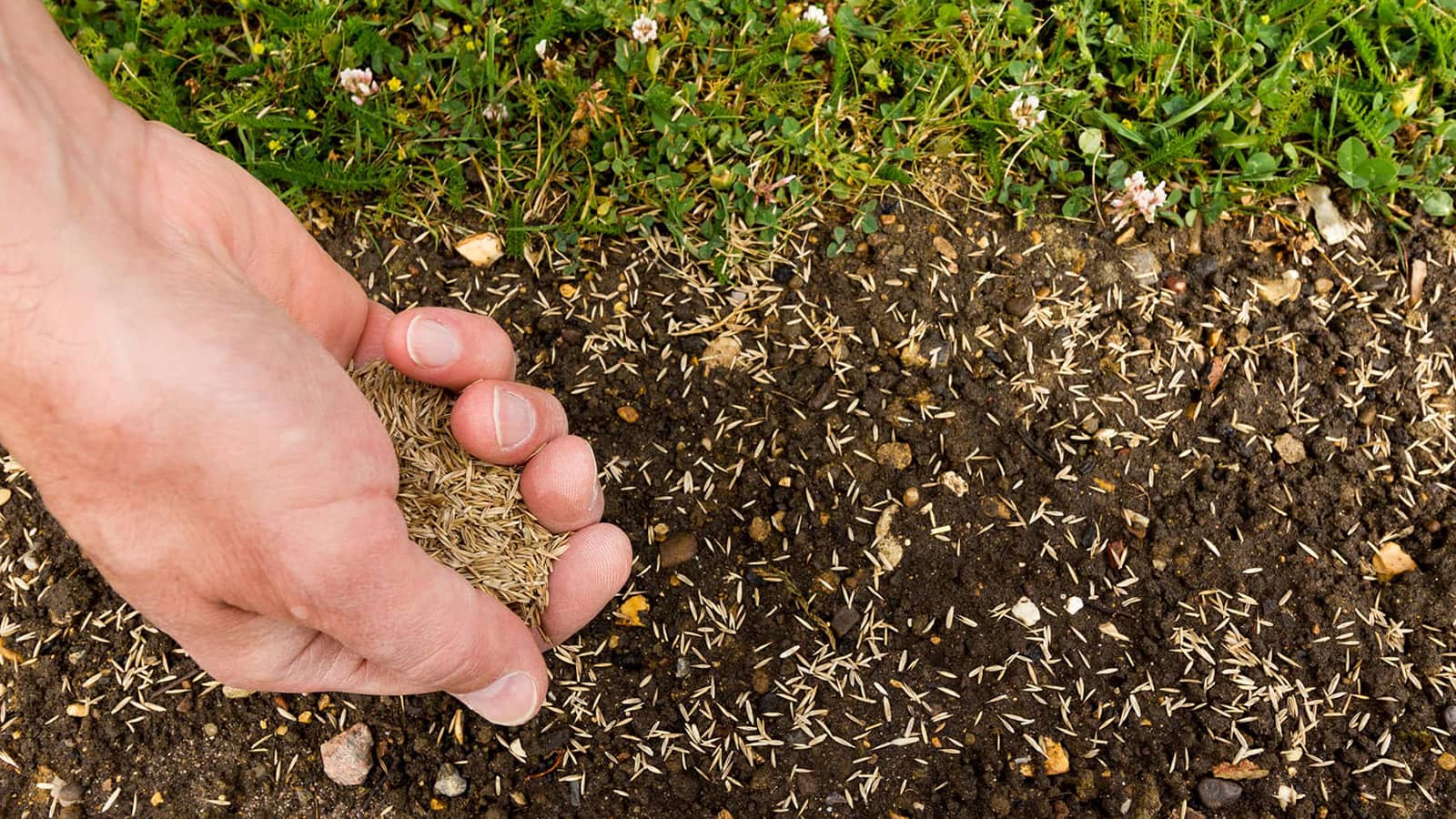
The best time to plan next year’s lawn in Cincinnati is November through February, while the grass is dormant. Use the off season to check clay compaction, map thin spots and grub damage, plan a soil test, and set the calendar so crabgrass prevention lands before soil hits 55 degrees.
Most lawn problems here start underground. A plan made in winter means the first spring visit is aimed at the right problem.
Why the off season is the right time to plan
After the late fall feeding goes down, nothing more is applied until spring. The lawn is dormant, and a tan color in winter is normal. That quiet stretch from late fall to early spring is also the easiest time to change programs, because no application is missed.
Spring moves fast once it starts. The first treatment usually goes down in March or April, and the crabgrass barrier has to be in place before the soil consistently reaches 55 degrees, usually by the end of April. Treatments then run about 6 to 8 weeks apart, so a late start pushes the whole year back. Decisions made in winter keep that first visit on time.
Start with the soil: what Cincinnati clay does to a lawn
Much of Cincinnati sits on heavy, silty clay over shale and limestone. Clay holds nutrients well, which is a real advantage. The problem is that it packs down easily under mowing, foot traffic, pets, heavy rain and freeze thaw cycles.
Compacted clay sheds water instead of soaking it in, and it keeps roots shallow. Shallow roots leave grass exposed to hot, dry summers, which is why some lawns brown in July even when watered.
Older lots and newer subdivisions
Lot history matters. Some older lots in places like Montgomery have only shallow topsoil over clay. Postwar streets were often graded flat and pack down quickly. Newer subdivisions often lost their topsoil during grading, leaving compacted subsoil at the surface.
What soil tests in this region tend to show
Soil tests from Cincinnati and Dayton lawns often show high pH, a high percentage of magnesium and low potassium, with low organic matter. High magnesium is one reason the clay here gets so tight. A fertilizer program built for low potassium and high magnesium, plus added organic matter, addresses what the clay lacks.
A winter walkaround: what to look for
A dormant lawn still shows its problems. On a dry day, walk the yard and note:
- Puddles or runoff after rain or snowmelt, a sign of compaction.
- Thin grass along walks and in high traffic paths, where feet and pets pack the soil.
- Bare or thin patches that will be first in line for weeds next spring.
- Tan strips along the driveway and street from salt or plows, which get repaired as the soil warms in late winter.
- Odd tan patches, often zoysia or nimblewill, which are best renovated in late summer, not winter.
A simple test helps once the ground thaws: if a screwdriver stops within the top two inches of moist soil, the lawn is compacted.
Write down the lawn’s history
A short list now saves guesswork in spring:
- Grub damage. Grass that pulled up like a loose rug, with white C shaped grubs in the soil, or birds, skunks or raccoons digging. Grubs do most of their damage in fall, but prevention goes down in late spring. A lawn with a grub history is the best candidate for a preventive treatment, covered on the grub and armyworm control page.
- Disease problems in past seasons, which is one of the signs a lawn needs aeration.
- Recent seeding. Any area seeded in fall or dormant seeded over winter must skip crabgrass pre-emergent in spring, or the seed will not sprout.
- Weeds that kept coming back, and where. Dandelions often point to low calcium and high magnesium. Plantain and knotweed point to compaction.
Plan a soil test
A soil test shows pH, nitrogen, phosphorus and potassium, and whether the soil is sandy, loamy or clay based. Early spring and fall are the best times to sample, while the grass is growing but not stressed. Retesting every 2 to 3 years tracks progress.
To take a sample, clear debris from the surface, dig 3 to 4 inches deep with a clean tool, collect from several spots, mix them into one sample, and let it dry before sending it to a lab. Most turfgrass here grows best at a pH between 6.0 and 7.0. Lime raises pH and sulfur lowers it, and changes should be made gradually. The soil testing guide walks through each step.
Build next year’s calendar
A full year for a lawn in this area usually looks like this. A typical program spreads about 4 to 5 pounds of nitrogen per 1,000 square feet across five controlled release feedings from March to early December.
| Timing | What happens |
|---|---|
| Late winter to early spring | Repair salt and plow damage. Spring aeration, if planned, goes before the pre-emergent. |
| March to April | First feeding and crabgrass prevention, before soil consistently reaches 55 degrees. Skip seeded areas. |
| Late spring | Preventive grub control for lawns with a grub history. |
| Summer | Mow at 3 to 4 inches. Water deeply every 3 to 7 days in hot weather, in the morning. |
| Late August to mid October | Core aeration and overseeding while soil is near 60 degrees. |
| Through October | Core aeration alone can still be done. |
| Late October to early December | Late fall feeding, never on frozen ground. Lower the mower to about 2.5 inches. |
Fall is the main season for aeration and seeding: warm soil, cooling air, and two growth periods before the first summer. Spring seeding is best avoided, since the spring crabgrass barrier also stops new seed from sprouting.
Plan for aeration on clay
On Cincinnati clay, aeration is close to a necessity. Core aeration pulls soil plugs 2 to 3 inches deep, which relieves compaction, improves drainage, strengthens roots, reduces thatch and helps the lawn use its feedings. Once a year is best, and every other year is the minimum.
Signs a lawn needs it: thatch over half an inch, pooling or runoff, thin high traffic areas, or past disease. Spreading compost over the holes after aeration adds organic matter right where the clay needs it. A gypsum (calcium sulfate) amendment spread over the holes can also help loosen clay and raise calcium.
Aeration works best in moist soil. A few things to plan ahead:
- Mark sprinkler heads, lines, invisible pet fences and buried wires before the visit.
- If the lawn is dry, water deeply a few days before, not the same morning.
- Leave the cores on the lawn. Rain and mowing break them down.
- Wait 5 to 10 days before mowing, and raise the mower a notch during recovery.
For thin lawns, pairing aeration with overseeding is what fills things in. Turf type tall fescue is the usual choice here, and seed labeled Kentucky 31 or K-31 is best avoided. A lawn that is mostly Kentucky bluegrass is better patched with bluegrass. The core aeration page and the aeration and overseeding page cover both in detail.
Decide on the approach for the year
Winter is a good time to decide how the lawn will be fed and how weeds will be handled. Organic and organic based fertilizers feed soil life and roots, and their organic matter improves clay structure over time. Quick release synthetic fertilizer is used up in a week or two and does not build soil.
For weeds, the main choice is between spot treating only the weeds present and spraying the whole lawn. A thick lawn is the best long term weed control, which comes from mowing high and seeding thin areas. Some homeowners move to a fully organic approach in steps, keeping some spot weed control at first and reducing it as the turf thickens.
Households with kids and pets should also ask about re-entry times. Fertilizer alone is low risk. Pesticides need a waiting period set by the product label. The guide on whether lawn treatment is safe for dogs and kids lists the questions worth asking.
Set realistic expectations
Color often improves within weeks of the first spring feeding. Density takes longer because roots develop underground. On compacted clay, most lawns show their biggest change after a fall aeration and seeding. The guide to your first year of organic lawn care covers what each season looks like.
Some problems are not fixed by feeding or aeration alone: severe compaction, drainage or grading problems, heavy shade, or the wrong grass for the site. The winter walkaround is the time to spot them.
Frequently asked questions
When should I start lawn care in Cincinnati?
Early spring is ideal, with the first treatment in March or April so crabgrass prevention goes down before soil consistently reaches 55 degrees. A program can still start later in the year, including late summer. Planning over winter keeps the first visit on time.
How often should you aerate clay soil?
Once a year is best for clay, and every other year is the minimum. Fall is the main window, from late August through October. If spring aeration is done, it should happen before the crabgrass pre-emergent, since aerating afterward breaks the barrier.
Is it better to aerate in spring or fall?
Fall is usually better here. Warm soil and cooling air help roots, and aeration can be paired with seeding while soil is near 60 degrees. Spring seeding is not recommended because it conflicts with crabgrass prevention.
What is the best grass seed for Cincinnati lawns?
Turf type tall fescue tolerates drought and insects better than bluegrass or ryegrass and blends well with the mixed lawns common here. Avoid seed labeled Kentucky 31 or K-31. Lawns that are mostly Kentucky bluegrass are better patched with bluegrass.
How do you improve clay soil in a lawn?
Add organic matter over time through organic based fertilizer, core aerate every year or two, and spread compost over the aeration holes. A gypsum amendment can help loosen clay. Mowing high and leaving clippings also return organic matter to the soil.
Plan next year’s Cincinnati lawn with PureLawn
PureLawn Organic Lawncare is a local, family owned company, and Chad Craft runs our Cincinnati location on Grooms Road. Every program we offer includes five services a year with organic based feedings and crabgrass prevention, and we offer fall core aeration and overseeding for compacted clay. Our PureGreen program is 100% pesticide free, so kids and pets can use the lawn as soon as our technician leaves. We serve Cincinnati and nearby communities like Blue Ash, Montgomery, Mason, West Chester and Loveland, and service calls between visits are free.
Compare our lawn treatment programs or request a free lawn quote and get on the schedule before the first spring visit.