
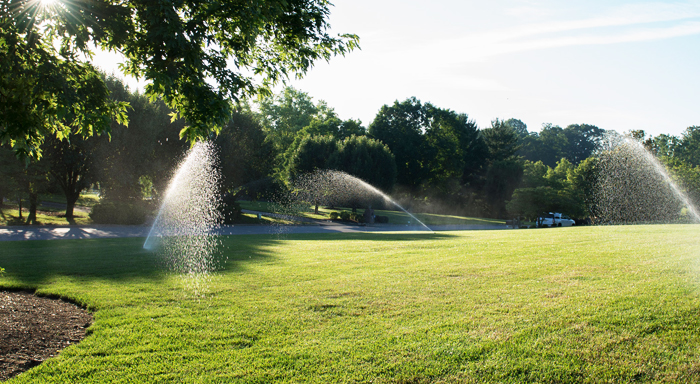
NTEP Turfgrass Standards in Ohio: What They Mean for a Healthier Lawn in Dayton
Choosing the right grass for your lawn in Dayton, Ohio, is not just about appearance. It’s about performance, durability, and long-term soil health. That’s where NTEP Turfgrass Standards come into play.
The National Turfgrass Evaluation Program (NTEP) provides science-based data on how different turfgrass varieties perform across the United States, including in Ohio’s unique climate.For homeowners seeking professional lawn care services in Dayton, understanding NTEP standards can make the difference between a lawn that struggles and one that thrives.
Let’s explore how NTEP works, what it means for Ohio lawns, and how it supports better lawn care decisions in the Dayton area.
What Is the National Turfgrass Evaluation Program (NTEP)?
The National Turfgrass Evaluation Program (NTEP) is a cooperative effort between the United States Department of Agriculture (USDA), land-grant universities, and turfgrass breeders across the country. According to NTEP, the program conducts nationwide turfgrass variety trials to determine how grasses perform under different environmental conditions.
NTEP trials evaluate turfgrass varieties for:
-
Drought tolerance
-
Disease resistance
-
Traffic tolerance
-
Color and density
-
Winter hardiness
-
Pest resistance
Ohio trials are frequently conducted through The Ohio State University (OSU) College of Food, Agricultural, and Environmental Sciences (CFAES). As a land-grant institution, OSU Extension publishes region-specific turfgrass performance data that directly applies to Southwest Ohio homeowners.
Because of this collaboration between USDA research and university field trials, NTEP standards provide reliable, multi-year data rather than short-term observations.

Why NTEP Standards Matter for Ohio Lawns
Ohio falls within the cool-season turfgrass zone, meaning lawns must tolerate cold winters, humid summers, and periodic drought stress. According to the USDA Plant Hardiness Zone Map, Dayton is in Zone 6a, where winter temperatures can dip well below freezing. As a result, grass selection becomes critical.
The most commonly recommended turfgrass species for Ohio include:
-
Kentucky bluegrass
-
Perennial ryegrass
-
Fine fescues
-
Turf-type tall fescue
Research from Ohio State University Extension consistently shows that improved cultivars with strong NTEP ratings demonstrate better resistance to common Ohio turf diseases such as:
-
Brown patch
-
Dollar spot
-
Leaf spot
-
Red thread
When homeowners choose high-performing varieties, they reduce disease pressure and minimize the need for excessive synthetic inputs. This strategy aligns naturally with sustainable and organic lawn care programs.
How NTEP Trials Are Conducted
NTEP trials follow strict, standardized procedures across multiple states. Turfgrass cultivars are planted in controlled plots and evaluated over several growing seasons to measure consistency and adaptability. Evaluations typically include:
-
Visual turf quality ratings
-
Genetic color assessment
-
Turf density measurements
-
Drought and heat tolerance
-
Winter survival rates
-
Resistance to insects and pathogens
Multi-year testing is essential. USDA-supported turfgrass research emphasizes that environmental variation—especially in states like Ohio—can significantly influence performance. Freeze-thaw cycles, heavy spring rainfall, summer humidity, and compacted clay soils all affect turf health.
For Dayton-area lawns, NTEP data helps identify cultivars that maintain density and color even under stress. This reduces thinning, patchiness, and weed invasion.
NTEP Standards and Sustainable Lawn Care in Ohio
Modern lawn care increasingly emphasizes sustainability. The U.S. Environmental Protection Agency (EPA) promotes reducing nutrient runoff and protecting local waterways. Healthy, dense turf plays a key role in preventing erosion and filtering stormwater.
Selecting NTEP-recommended grass varieties contributes to:
-
Stronger root systems
-
Improved drought tolerance
-
Reduced fertilizer dependency
-
Lower weed pressure
For example, turf-type tall fescue varieties with deep root systems show improved drought performance in Midwest trials. Deeper roots allow grass to access moisture further down in the soil profile, which is especially valuable during Ohio’s hot, humid summers.
When turf is genetically resilient, it competes more effectively with weeds like crabgrass and clover. As a result, homeowners can maintain thick lawns with fewer chemical interventions.
The Connection Between Soil Health and Turf Performance
While NTEP standards focus on grass genetics, soil health determines how well those genetics perform. According to research from Ohio State University Extension, soil structure, organic matter levels, and microbial activity directly impact turf vigor.
Compacted soil—a common issue in Dayton neighborhoods—limits oxygen flow and root development. Even high-ranking NTEP cultivars can struggle in poor soil conditions. A comprehensive lawn care strategy should include:
-
Organic nutrient applications
-
Overseeding with NTEP-tested cultivars
-
Proper mowing height adjustments
Organic soil amendments enhance microbial activity, which improves nutrient cycling and root strength. When paired with high-quality turf genetics, this approach creates lawns that are both resilient and environmentally responsible.

Top-Performing Turfgrass Options for Southwest Ohio
Based on regional trial data and OSU research, several grass types consistently perform well in Ohio:
Turf-Type Tall Fescue
-
Deep root system
-
Strong drought resistance
-
Good tolerance to heat and humidity
-
Performs well in full sun and partial shade
Kentucky Bluegrass
-
Excellent cold tolerance
-
Dense growth habit
-
Self-repairing rhizome system
Perennial Ryegrass
-
Fast germination
-
Strong traffic tolerance
-
Often blended with bluegrass or fescue
Blended seed mixes often deliver the best long-term results because they combine complementary traits. NTEP data allows lawn care professionals to select specific cultivars within these species that rank highest in Ohio trials.
Contact PureLawn for Organic Lawn Care in Dayton
Understanding NTEP Turfgrass Standards in Ohio empowers homeowners to make informed decisions about grass selection, overseeding, and sustainable lawn maintenance. When you combine proven turfgrass genetics with soil-focused organic care, you create a lawn that thrives naturally in Dayton’s climate.
At PureLawn, we apply research and NTEP data to every customized lawn care program. We proudly serve Dayton, Centerville, Beavercreek, Troy, and surrounding Southwest Ohio communities with organic lawn treatments designed to strengthen roots and improve soil health.
If you’re ready to build a greener, safer, and more resilient lawn, contact PureLawn today to schedule your personalized lawn evaluation.