

Ohio Pesticide Law: What Cincinnati Homeowners Need to Know
Every spring, Cincinnati lawns wake up — and so do the questions about what your lawn care company is actually putting down. Ohio has one of the more detailed pesticide regulatory frameworks in the Midwest, and understanding it helps you make smarter, safer decisions for your family and property.
How Ohio Regulates Pesticide Use
Ohio’s pesticide laws fall primarily under the Ohio Pesticide Law, codified in Ohio Revised Code Chapter 921, and are enforced by the Ohio Department of Agriculture (ODA). This framework governs who can legally apply pesticides, how those products must be handled, and what protections exist for residents and the environment.
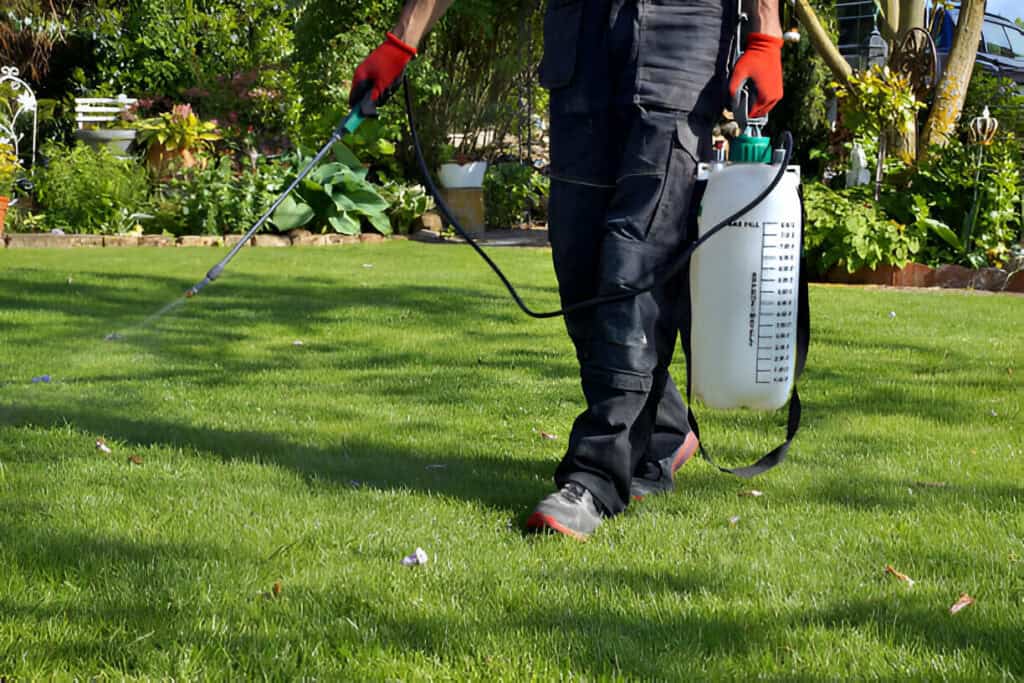
The law distinguishes between general-use pesticides — products available to consumers — and restricted-use pesticides (RUPs), which require a licensed applicator due to their higher toxicity or environmental risk. When a lawn care company applies RUPs to your property, state law requires that individual to hold an active Commercial Pesticide Applicator license issued by the ODA.
This isn’t bureaucratic formality. It’s a meaningful layer of accountability that protects Cincinnati homeowners from untrained application and potential liability.
Licensing Requirements for Lawn Care Applicators
To legally perform commercial pesticide applications in Ohio, applicators must meet the following requirements under ODA rules:
- Pass a written exam covering pesticide safety, integrated pest management (IPM), and Ohio-specific regulations
- Apply in a licensed pesticide category — lawn care falls under Category 3B (Ornamental and Turf)
- Complete continuing education credits to maintain licensure
- Carry proper liability coverage for commercial work
The ODA maintains a public database where you can verify whether a lawn care company holds a current, valid license. Before hiring anyone to treat your lawn, it takes less than a minute to check — and it’s worth doing.
Unlicensed application of restricted-use pesticides is a violation of state law. Beyond the legal exposure, it signals a company that may not be following safe handling, mixing, or disposal protocols.
What the Law Says About Notification and Records
Ohio pesticide law includes provisions that directly affect homeowners. Commercial applicators are required to maintain records of every pesticide application — including the product name, EPA registration number, application rate, date, and target site. These records must be kept for a minimum of two years.
If you ever want to know exactly what was applied to your lawn, a licensed company is legally obligated to provide that information. This matters for families with young children or pets, gardeners who share space near treated areas, and anyone with health sensitivities to specific active ingredients.
The U.S. EPA’s pesticide registration system provides a searchable database of all registered pesticide products, which you can cross-reference with your applicator’s records to understand exactly what each product contains and how it should be handled.
Integrated Pest Management and Organic Alternatives
Ohio’s regulatory framework increasingly acknowledges the role of integrated pest management (IPM) — a science-based approach that prioritizes the least toxic, most effective intervention for each pest situation. IPM isn’t just an environmental preference; it’s recognized by the EPA as a best practice for reducing pesticide dependency while maintaining effective results.
For Cincinnati homeowners who want effective lawn care without unnecessary chemical exposure, organic-based programs offer a compelling path. These programs work with soil biology rather than against it — building stronger root systems that naturally resist weeds and pests over time. PureLawn’s lawn treatment programs use organic-based fertilization and targeted weed control that feed soil microbes and improve nutrient uptake, rather than blanketing a lawn in broad-spectrum herbicides.
This approach aligns with Ohio’s regulatory direction while delivering lawns that are genuinely healthier — not just greener on the surface.
Cincinnati-Specific Considerations
Cincinnati sits within Hamilton County, which borders the Ohio River and includes significant watershed areas. Pesticide runoff is a real concern in this geography — chemicals applied to residential lawns can migrate through storm drains into local waterways, affecting aquatic ecosystems and downstream water quality.
The Ohio EPA’s nonpoint source identifies lawn and turf management as a contributor to nutrient loading in Ohio’s waterways. Choosing a lawn care provider that prioritizes low-impact, organic-based methods isn’t just a personal health decision — it’s a choice that benefits the broader Cincinnati community.
Understanding these local dynamics is part of what distinguishes knowledgeable lawn care from generic service. The regulations exist to establish a floor of safety, but the best providers operate well above that floor.
Make a Confident, Informed Choice for Your Cincinnati Lawn
Knowing what Ohio pesticide law requires puts you in a stronger position as a homeowner. You know what to ask. You know what to verify. And you know that the safest approach isn’t just about compliance — it’s about working with a company that genuinely prioritizes your family’s health.
PureLawn Organic Lawncare serves Cincinnati and surrounding communities — including West Norwood, Covington Township, Blue Ash, and more — with organic-based lawn care programs built around soil health and targeted, responsible treatment. Whether you’re looking for fertilization, weed control, core aeration, grub control, or pest management, every program is designed to work with your lawn’s biology, not against it. You can also explore additional lawn services including mosquito control, flea and tick control, and soil amendments.
If you’re ready to work with a team that understands both Ohio’s regulations and the science behind a healthier lawn, contact PureLawn today.