
A Brief History of Over-the-Rhine Neighborhood
Nestled just north of downtown Cincinnati, the Over-the-Rhine neighborhood stands as one of the city’s most historically rich and architecturally unique districts. Known locally as “OTR,” the neighborhood has experienced dramatic transformations—from a bustling German immigrant community in the 19th century to a period of decline and, more recently, a celebrated urban revival.
Today, Over-the-Rhine is widely recognized as a cultural centerpiece of Cincinnati, blending historic preservation with modern urban life.
Origins of the Neighborhood
Over-the-Rhine’s story begins in the early 1800s when Cincinnati was rapidly expanding. At the time, the Miami and Erie Canal ran through the city, separating the downtown business district from farmland and gardens to the north. German immigrants arriving in large numbers during the 1830s began settling in this area north of the canal.
Crossing the canal each day reminded many residents of the Rhine River in Germany, which led locals to jokingly refer to the neighborhood as being “over the Rhine.” The nickname stuck and eventually became the official name of the district.
German immigrants played a central role in shaping the identity of the neighborhood. They established churches, schools, breweries, and cultural institutions that reflected their heritage. Over time, the area became the heart of German-American life in Cincinnati.
Streets were filled with beer gardens, bakeries, and music halls, creating a lively community atmosphere that attracted visitors from across the region. Much of the neighborhood’s identity comes from its deep German heritage in Cincinnati, which shaped the community’s breweries, churches, and social traditions.
Growth in the 19th Century
By the late 1800s, Over-the-Rhine had grown into one of the most densely populated neighborhoods in the United States. Thousands of residents lived in tightly packed brick buildings constructed during the city’s industrial boom. Many of these structures still stand today and represent a remarkable collection of 19th-century architecture.
The neighborhood is especially known for its Italianate-style buildings, characterized by decorative cornices, tall windows, and ornate brickwork. In fact, Over-the-Rhine contains one of the largest collections of Italianate architecture in the country. Other architectural styles—such as Greek Revival, Queen Anne, and Gothic influences—can also be found throughout the district, reflecting the evolving tastes of the time.
Cultural landmarks emerged during this period as well. One of the most prominent is Cincinnati Music Hall, which opened in 1878 and remains home to the Cincinnati Symphony Orchestra and other performing arts organizations. Churches such as Old St. Mary’s Church, founded by German immigrants in the 1840s, became focal points for community life and continue to stand as historic landmarks today.
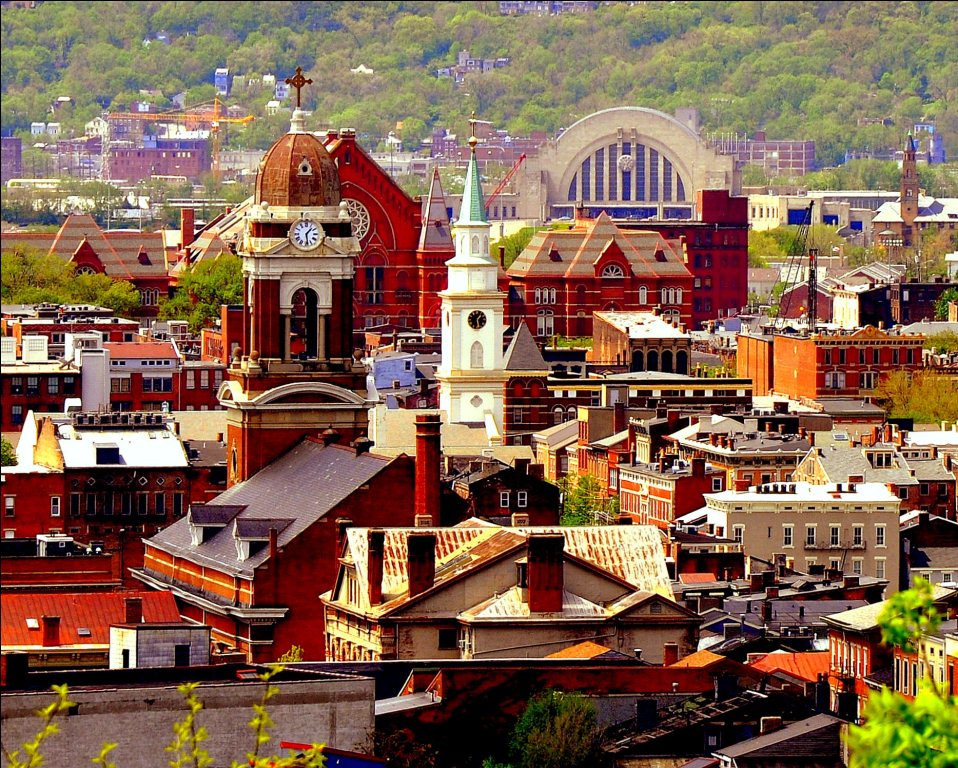
Image Credit: Chuck Eilerman, CC BY-SA 2.0, via Wikimedia Commons

Early 20th Century Changes
The early 20th century brought significant changes to Over-the-Rhine. In 1920, Prohibition dealt a major blow to the neighborhood’s thriving brewing industry, which had been a cornerstone of the local economy. Many businesses closed, and employment opportunities declined.
Around the same time, the Miami and Erie Canal was filled in and replaced by Central Parkway. While this project modernized transportation through the city, it also removed a defining feature of the neighborhood and altered its connection with downtown Cincinnati.
Over the following decades, suburban development began drawing residents away from the urban core. As people moved to new housing outside the city center, Over-the-Rhine’s population declined. Buildings that once housed vibrant businesses and families gradually fell into disrepair.
Social and Economic Challenges
By the mid-20th century, Over-the-Rhine faced serious social and economic challenges. Urban redevelopment projects in nearby neighborhoods displaced thousands of residents, many of whom moved into Over-the-Rhine due to available housing. Combined with economic downturns and the loss of industry, the neighborhood struggled with poverty and declining infrastructure.
Between 1960 and 1980, Over-the-Rhine experienced a dramatic population shift as many longtime residents moved to suburban areas. The neighborhood’s population decreased significantly during this time, leaving behind vacant buildings and underutilized spaces.
Despite these hardships, the district remained culturally important. Community organizations, local residents, and preservationists began advocating for the protection of its historic architecture and heritage.
Preservation and Revitalization
In the early 2000s, renewed interest in historic preservation sparked a wave of revitalization across Over-the-Rhine. Developers and community groups worked together to restore historic buildings and reintroduce businesses, restaurants, and housing to the area.
Washington Park, located near Music Hall, underwent a major renovation that transformed it into a vibrant gathering place for residents and visitors. Historic buildings were restored rather than demolished, allowing the neighborhood’s architectural character to remain intact.
Today, Over-the-Rhine has become one of Cincinnati’s most popular destinations. The district is home to local restaurants, coffee shops, breweries, boutiques, and art spaces that attract both residents and tourists. Food and culture have become major draws, with the neighborhood earning national recognition for its growing culinary scene.
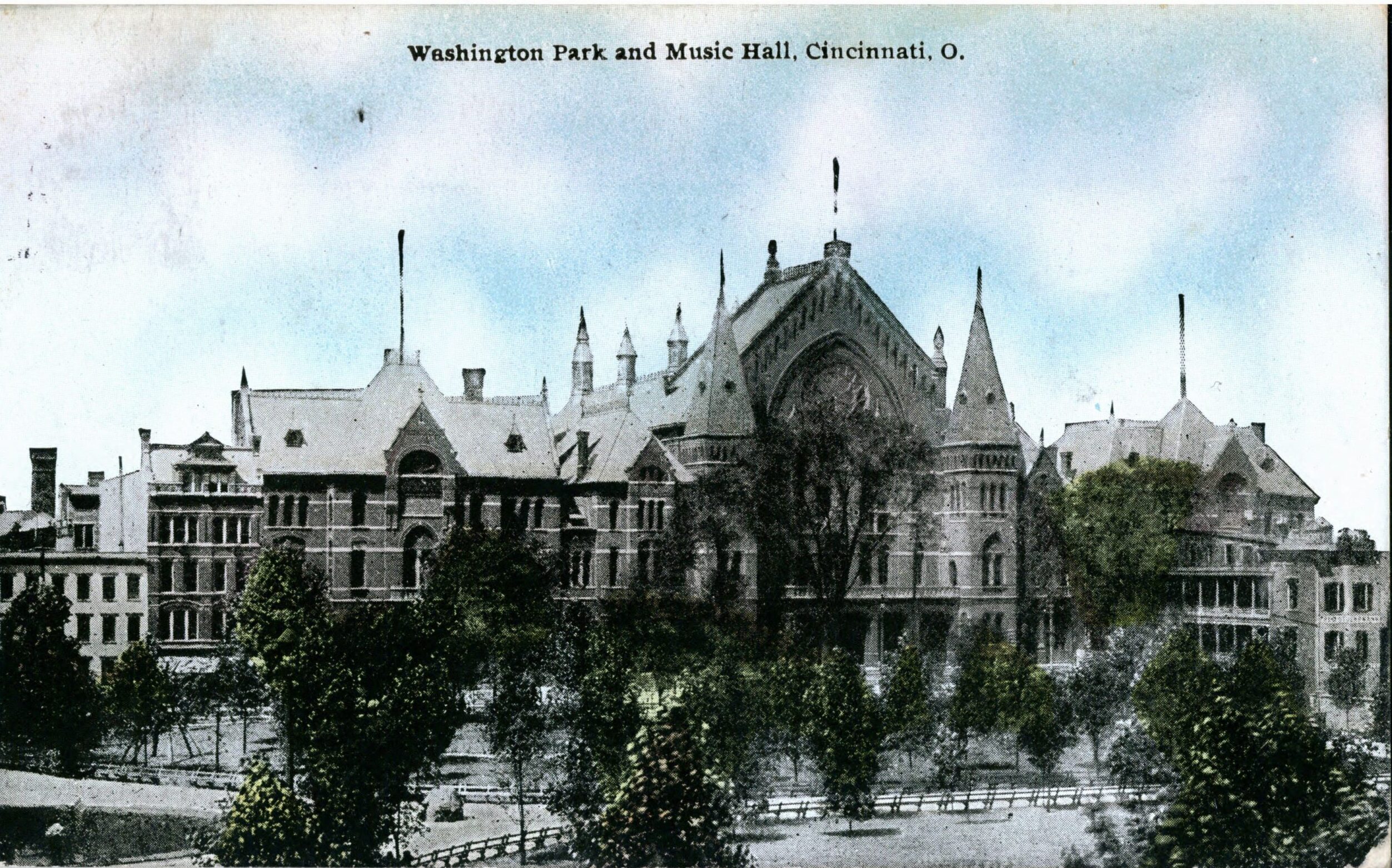
Image Credit: Columbus Metropolitan Library, Public domain, via Wikimedia Commons
.jpg)
Over-the-Rhine Today
Modern Over-the-Rhine represents a blend of historic preservation and contemporary urban living. Walking through its streets reveals rows of beautifully restored brick buildings alongside modern businesses and lively public spaces.
The neighborhood’s transformation has made it a model for urban revitalization. Historic architecture has been preserved while new investment has brought fresh energy to the district. Cultural institutions, markets, and parks continue to anchor the community and celebrate Cincinnati’s heritage.
Perhaps most importantly, Over-the-Rhine tells the story of Cincinnati itself—a city shaped by immigration, industry, cultural change, and resilience. From its German immigrant roots to its modern renaissance, the neighborhood remains one of the most fascinating and historically significant areas in the city.
For visitors and residents alike, exploring Over-the-Rhine offers a glimpse into the past while showcasing the vibrant future of Cincinnati.