

Ohio Department of Agriculture: Pesticide Licensing Explained
Maintaining healthy lawns in Cincinnati and throughout Southwest Ohio requires more than just the right fertilizer or mowing schedule. It also involves understanding how pesticides are regulated and who is legally allowed to apply them. The Ohio Department of Agriculture (ODA) plays a central role in overseeing pesticide licensing, certification, and enforcement across the state.
For homeowners and businesses searching for professional lawn care services in Cincinnati, Ohio, understanding pesticide licensing requirements can provide peace of mind. It ensures that any company applying products to your property meets state standards for safety, environmental protection, and professional competency.
In this guide, we’ll explain how pesticide licensing works in Ohio, highlight key regulatory entities, and explore why working with knowledgeable lawn care professionals matters.
The Role of the Ohio Department of Agriculture (ODA)
The Ohio Department of Agriculture (ODA) regulates pesticide use under the authority of the Ohio Revised Code (ORC Chapter 921) and Ohio Administrative Code (OAC Chapter 901:5). These laws establish standards for pesticide application, certification, and enforcement in compliance with federal guidelines under the Federal Insecticide, Fungicide, and Rodenticide Act (FIFRA), which is administered by the U.S. Environmental Protection Agency (EPA).
In Ohio, the ODA is responsible for:
-
Issuing pesticide applicator licenses
-
Administering certification exams
-
Conducting inspections and investigations
-
Enforcing compliance with state and federal pesticide laws
-
Approving pesticide training programs
Through these efforts, the ODA protects public health, groundwater, pollinators, and surrounding ecosystems. According to the U.S. Environmental Protection Agency, proper pesticide regulation reduces risks of human exposure and environmental contamination when products are used according to labeled instructions.
Types of Pesticide Licenses in Ohio
Ohio distinguishes between several types of pesticide licenses. Understanding these categories is essential for both lawn care providers and property owners.
1. Private Applicator License
A Private Applicator License is typically required for farmers and individuals who apply restricted-use pesticides (RUPs) to agricultural land they own or manage. These applicators must pass a certification exam and complete continuing education.
2. Commercial Applicator License
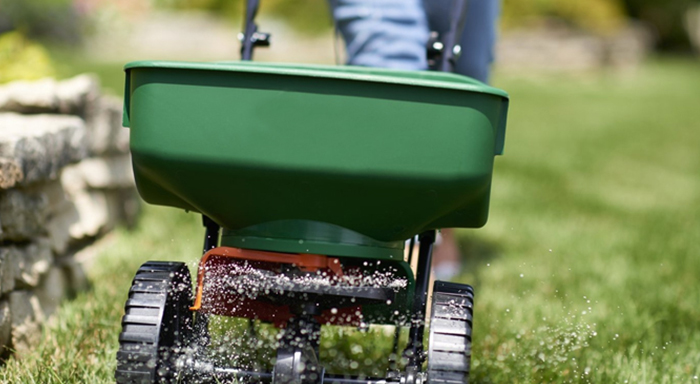
Most professional lawn care companies fall under the Commercial Pesticide Applicator License category. This license applies to individuals who apply pesticides for hire on someone else’s property.
Commercial applicators must:
-
Pass the Core Exam covering pesticide safety, environmental protection, and regulations
-
Pass at least one category exam, such as:
-
Category 6a – Ornamental Pest Control
-
Category 8 – Turf Pest Control
-
Category 10a – General Pest Control
-
In addition, companies must register as a Pesticide Business with the ODA. This ensures accountability and regulatory oversight.
3. Registered Technician License
A Registered Technician works under the supervision of a licensed commercial applicator. While they may apply pesticides, they must operate under strict supervision and complete required training hours.
Certification and Continuing Education Requirements
Licensing is not a one-time process. Ohio requires applicators to renew their certification every three years. During that time, they must complete Continuing Education Units (CEUs) approved by the ODA.
The Ohio State University Extension plays a significant role in providing pesticide safety education and recertification training. Research from land-grant universities, including OSU, consistently emphasizes that proper applicator education reduces misapplication, drift, and unintended environmental impacts.
For example, extension publications highlight that improper pesticide application can contribute to runoff into water systems, particularly in regions near the Ohio River watershed. Education programs therefore emphasize label compliance, calibration accuracy, and Integrated Pest Management (IPM) practices.
Integrated Pest Management (IPM) and Environmental Responsibility
Modern pesticide licensing aligns with Integrated Pest Management (IPM) principles. The EPA defines IPM as a science-based strategy that combines biological, cultural, physical, and chemical tools to manage pests economically and with minimal risk.
IPM strategies may include:
-
Soil health improvement
-
Proper turfgrass selection
-
Aeration and overseeding
-
Targeted applications rather than blanket spraying
-
Monitoring pest thresholds before treatment
According to research from the National Pesticide Information Center, IPM reduces pesticide use while maintaining effective pest control. This approach not only protects beneficial insects such as pollinators but also safeguards children, pets, and groundwater resources.
In Cincinnati and surrounding communities like Mason, West Chester, and Loveland, environmentally conscious lawn care practices are increasingly important due to suburban density and watershed proximity.
Why Pesticide Licensing Matters for Homeowners
When hiring a lawn care service in Ohio, pesticide licensing directly impacts:
1. Safety
Licensed applicators are trained to follow product labels, which are legally binding documents under federal law. Label instructions cover dosage rates, protective equipment, re-entry intervals, and environmental precautions.
2. Environmental Protection
The Ohio Department of Agriculture investigates misuse complaints and ensures compliance to prevent contamination of soil and water. Properly licensed professionals help reduce pesticide drift and runoff.
3. Legal Compliance
Using an unlicensed applicator for restricted-use pesticides can result in penalties. ODA enforcement actions demonstrate the state’s commitment to maintaining regulatory integrity.
4. Professional Accountability
Licensed businesses must carry insurance and meet state business registration requirements. This creates transparency and trust for property owners.
Organic Lawn Care and Reduced Chemical Dependence
While pesticide licensing ensures safe application of approved products, many Cincinnati homeowners are seeking alternatives that minimize chemical exposure altogether. Healthy turfgrass is more resilient and less dependent on synthetic pesticides. Organic lawn care programs focus on:
-
Feeding the soil microbiome
-
Applying organic-based fertilizers
-
Strengthening root systems
-
Improving soil structure
-
Enhancing natural disease resistance
By prioritizing soil biology and turf health, homeowners may reduce the frequency and intensity of pesticide applications. This aligns with broader environmental sustainability goals promoted by both federal and state agencies.
The Importance of Local Expertise in Cincinnati, Ohio
Southwest Ohio’s climate presents unique turfgrass challenges. Seasonal humidity, clay-heavy soils, and fluctuating temperatures contribute to issues like:
-
Grub infestations
-
Brown patch disease
-
Crabgrass invasion
-
Compacted soil
Licensed professionals understand how Ohio regulations intersect with local turf conditions. Moreover, experienced lawn care providers can determine when cultural practices—such as aeration or overseeding—may eliminate the need for chemical treatments.
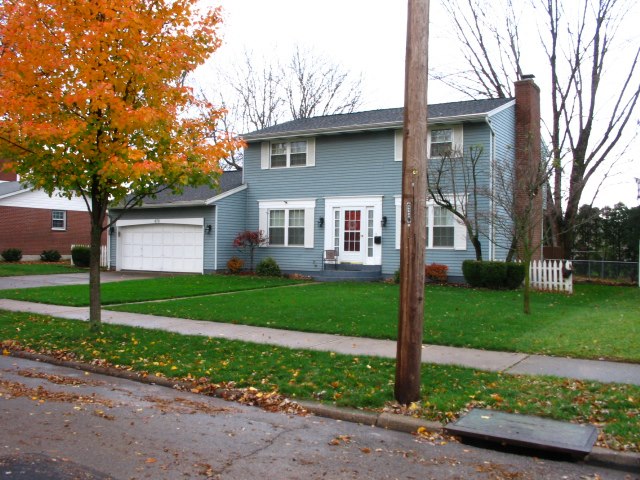
This localized expertise is particularly valuable in communities like Troy, Centerville, Beavercreek, Mason, and West Chester, where residential lawn standards remain high and environmental stewardship is increasingly prioritized.
Choose Safe, Knowledgeable Lawn Care in Cincinnati
Understanding how the Ohio Department of Agriculture regulates pesticide licensing empowers homeowners to make informed decisions. Proper licensing ensures professional training, regulatory compliance, and environmental accountability. At the same time, many Cincinnati-area homeowners want to reduce their reliance on chemical inputs while still maintaining a lush, resilient lawn.
At PureLawn Organic Lawncare, we provide customized organic lawn care services throughout Cincinnati, Mason, Loveland, West Chester, Troy, Centerville, and Beavercreek. Our programs focus on strengthening soil health and root systems using organic turf nutrients—helping your lawn naturally resist pests and disease without unnecessary chemical exposure.
If you’re ready to enjoy a greener lawn that’s safer for kids, pets, and the environment, we invite you to connect with our team.
Let’s grow a stronger, healthier Cincinnati—one lawn at a time.