
Water Conservation Tips for Ohio Lawns
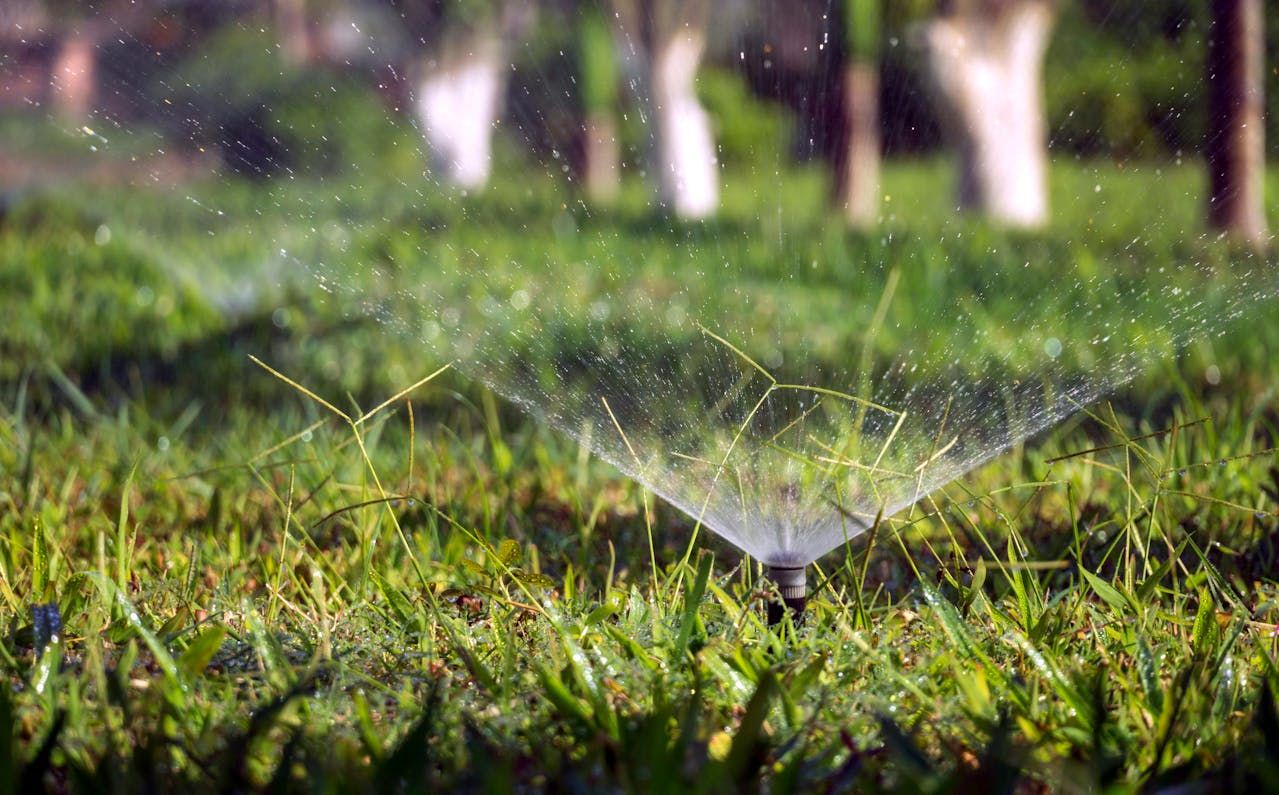
Water is one of the most mismanaged inputs in residential lawn care — and in Dayton and Montgomery County, that mismanagement costs homeowners money, stresses turf unnecessarily, and contributes to runoff that affects the Great Miami River watershed. Ohio’s variable precipitation patterns mean Dayton lawns alternate between periods of adequate rainfall and summer dry stretches that tempt homeowners to overwater as compensation.
Understanding how to irrigate efficiently, when to water, and how soil health affects water retention gives Dayton homeowners a practical advantage for maintaining healthy turf through Ohio’s full seasonal range without wasting a drop.
How Ohio’s Climate Affects Dayton Lawn Water Needs
Dayton receives approximately 39 inches of annual precipitation — enough, in theory, to support healthy cool-season turf grasses without supplemental irrigation during most of the year. The reality is more complicated. That rainfall is distributed unevenly, with reliable spring moisture giving way to summer periods where evapotranspiration — the combined water loss through soil evaporation and plant transpiration — routinely exceeds natural precipitation for weeks at a time. During those periods, turf that isn’t irrigated strategically either goes dormant or declines.
Cool-season grasses common in Dayton lawns — Kentucky bluegrass, tall fescue, and perennial ryegrass — have different drought tolerance profiles that affect how aggressively they need supplemental water during Ohio’s summer stress periods. Tall fescue, with its deep root system, tolerates dry periods better than Kentucky bluegrass and recovers from summer dormancy more reliably when fall moisture returns.
The Ohio State University Extension maintains turf management research specific to Ohio’s climate zones that identifies irrigation timing and volume recommendations calibrated to Montgomery County’s soil and weather conditions — a resource worth consulting before setting any automatic irrigation schedule.
The Most Common Watering Mistakes Dayton Homeowners Make
Overwatering is more damaging to Dayton lawns than underwatering in most circumstances, and it’s the mistake that lawn care professionals encounter most consistently. Frequent shallow watering — running an irrigation system for 10 to 15 minutes every day — trains grass roots to stay near the surface where moisture is readily available, producing turf that’s less drought-tolerant and more vulnerable to summer heat stress than deeply rooted grass watered less frequently and more thoroughly.
The correct approach is infrequent, deep watering that delivers enough moisture to penetrate 6 to 8 inches into the soil profile — the depth range where established cool-season grass roots should be growing. In practical terms, that typically means one to two watering sessions per week during dry periods, each delivering approximately one inch of water total. Watering in the early morning — between 4 and 9 a.m. — reduces evaporative loss and minimizes the leaf wetness duration that promotes fungal disease development in Dayton’s humid summer conditions.
The EPA’s WaterSense program has documented that landscape irrigation accounts for nearly one-third of residential water use nationally, with roughly half of that amount wasted through inefficient application — a statistic that reflects how much opportunity exists for improvement in standard residential watering practices.
How Soil Health Directly Affects Water Efficiency
A lawn’s ability to use water efficiently is largely determined by the condition of its soil. Compacted soil — common in Dayton’s clay-heavy Montgomery County yards — sheds water rather than absorbing it, causing runoff that carries moisture away from the root zone before it can be used. That same compaction limits root depth, creating the shallow root systems that require more frequent watering to stay viable.
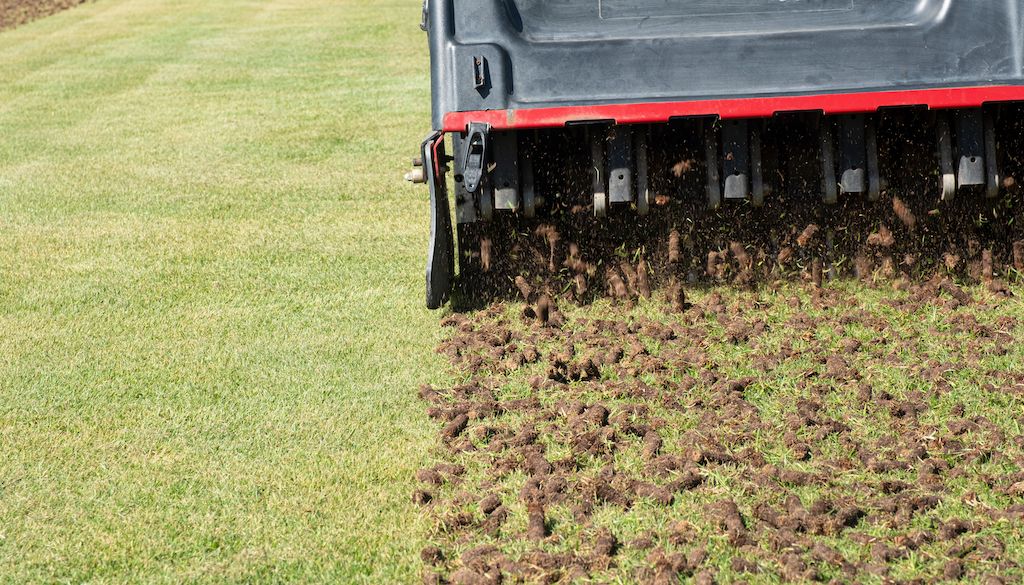
Core aeration — the mechanical removal of soil plugs that opens channels for water, air, and nutrients to penetrate the root zone — is the single most impactful cultural practice for improving water efficiency in Dayton lawns. A properly aerated lawn absorbs and retains significantly more of each irrigation event than a compacted one, reducing the frequency and volume of supplemental watering needed to maintain turf health.
Organic matter additions through compost topdressing or organic-based fertilization programs further improve soil water-holding capacity by building the biological activity that creates well-structured, absorbent soil. The USDA’s natural resources conservation data on Ohio soils consistently identifies organic matter content as the primary driver of water retention and root zone health in residential turf — evidence that soil-focused management reduces irrigation demand more effectively than any irrigation technology upgrade alone.
Practical Water Conservation Steps for Dayton Homeowners
Implementing water-efficient lawn care in Dayton requires adjusting timing, frequency, and soil management practices that any homeowner can apply immediately. Here’s a practical framework for Montgomery County lawns:
- Water deeply and infrequently: target one inch of water per week total, delivered in one or two sessions rather than daily light applications
- Water early morning: minimize evaporative loss and fungal disease risk by completing irrigation before 9 a.m.
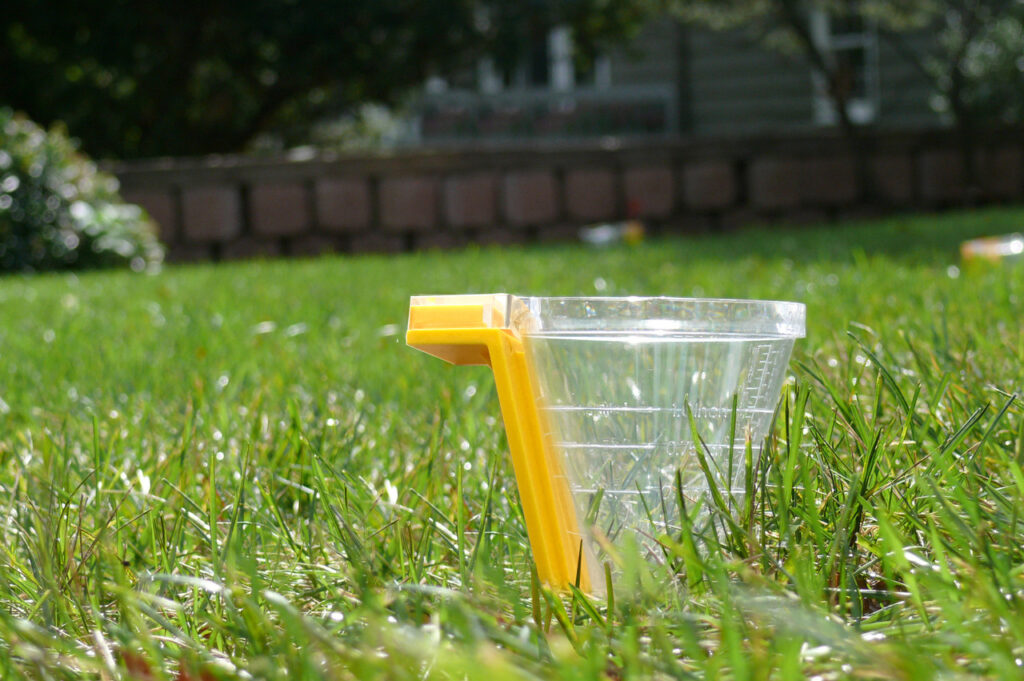
- Use a rain gauge or smart controller: track actual precipitation and skip irrigation cycles when natural rainfall has delivered sufficient moisture
- Mow at the right height: taller grass — 3.5 to 4 inches for fescue — shades the soil surface, reduces evaporation, and develops deeper roots that access subsurface moisture
- Aerate annually: reduce compaction and improve water infiltration before fall seeding season for maximum benefit heading into winter
- Let turf go dormant when appropriate: established cool-season grasses in Dayton can survive 4 to 6 weeks of summer dormancy and recover fully when fall moisture returns — dormancy is not death
The CDC also notes that reducing standing water through proper irrigation management eliminates the mosquito breeding habitat that builds up in overwatered lawns — a practical health benefit that adds to the case for efficient watering practices.
Dayton Lawn Care That Starts With Soil and Ends With Results
Understanding water conservation principles for Ohio lawns gives Dayton homeowners a foundation for healthier turf that needs less water, fewer inputs, and less intervention over time. Soil health, root depth, and irrigation discipline work together to produce the kind of lawn that performs through Montgomery County’s full seasonal range without constant chemical correction.
PureLawn Organic Lawncare serves Dayton and surrounding communities including Kettering, Beavercreek, Huber Heights, Centerville, and Troy with lawn treatment programs built around organic-based fertilization, core aeration, and targeted pest control that support the soil health water conservation depends on.
Every program is customized to your lawn’s specific conditions — not a one-size-fits-all schedule. When you’re ready for Dayton lawn care that works smarter with water and builds lasting turf health, contact us today and let’s get your program started.