
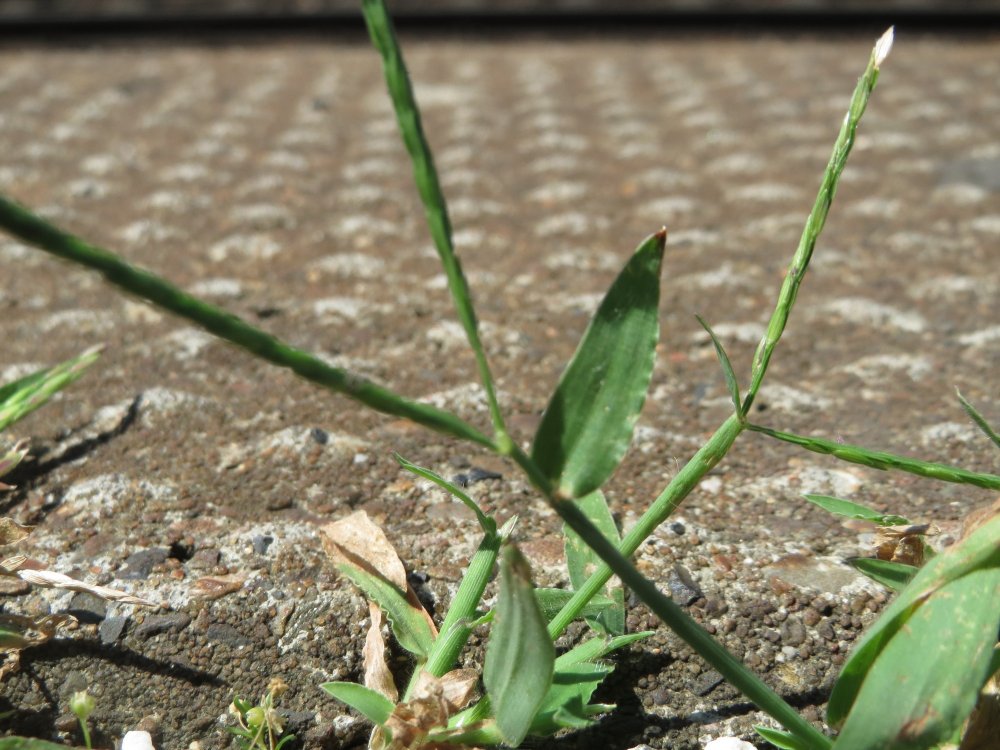
Crabgrass Prevention in Mason, OH: Timing, Soil Temperature and What to Do Before Spring
Crabgrass is prevented, not cured: a preemergent has to be down before the seed sprouts. Ohio State University’s Buckeye Yard and Garden Line reports that smooth crabgrass begins to emerge when the top inch of soil holds 54 degrees for seven days. In Mason that makes early spring the deadline, and winter the time to plan for it.
Crabgrass is an annual. Every plant in a Mason lawn last summer died with the first hard frost, but each one dropped seed before it went. That seed is sitting in the soil now, waiting for spring. Whether it becomes next year’s problem depends almost entirely on what happens before it sprouts.
Why timing follows soil temperature, not the calendar
Ohio springs swing hard. A warm March can start crabgrass weeks ahead of a cold one, so a fixed date on the calendar misses in both directions. Soil temperature is the more reliable signal.
According to Ohio State University’s Buckeye Yard and Garden Line, smooth crabgrass emergence begins slowly once the upper inch of soil reaches 54 degrees for seven days and moisture is available. The same source notes that this usually lines up with dogwoods starting to flower and forsythia blooms starting to fade, and that peak emergence runs from mid-May to July 1.
Two things follow from that:
- Too late is a real risk. A preemergent works on seed as it sprouts. It does not kill crabgrass that is already up and growing.
- Too early is a risk too. Every preemergent wears off. Put down far ahead of emergence, it can fade before the peak of the season arrives.
Where crabgrass shows up first in a Mason lawn
Crabgrass needs light and open soil. It shows up first in the same places every year:
- Along driveways, sidewalks and curbs, where pavement heats the soil early and turf is already stressed
- Thin or bare patches left by summer drought, grubs or dog spots
- Lawns that are mowed too short, which lets sunlight reach the soil surface
That is why thick turf is the other half of prevention. A dense lawn shades the soil and leaves crabgrass nowhere to start. Filling thin areas in fall with slice seeding or aeration and overseeding, and keeping the mower high through summer, does as much over time as any product.
What to do between now and spring
- Note where it was. Crabgrass turns tan and dies back after frost, so the patches are easy to spot now. Those are the areas that will need the most attention.
- Get on a spring schedule early. The window opens fast in a warm year. Lawns that are already on a program get treated on time.
- Do not seed and prevent in the same spot at the same time. A preemergent stops grass seed as well as crabgrass seed. Seeding belongs in fall. The guide on when to plant grass seed in Ohio covers the timing.
- Plan to mow high. Taller grass shades the soil and keeps it cooler in spring.
Frequently asked questions
When should crabgrass preventer go down in Mason, OH?
Before crabgrass sprouts. Ohio State University’s Buckeye Yard and Garden Line puts the start of smooth crabgrass emergence at 54 degrees in the top inch of soil for seven days, so the application is timed ahead of that each year.
Does a preemergent kill crabgrass that is already growing?
No. It only stops seed as it germinates. Existing crabgrass dies with frost, and prevention starts again the following spring.
Is there a natural crabgrass preventer?
Corn gluten meal is used as a natural preemergent. It works gradually and builds over several seasons. The post on how corn gluten meal works explains it.
Will it stop other weeds?
It also reduces other annual grassy weeds. Broadleaf weeds such as dandelion and clover need separate weed control. The Ohio lawn weeds guide shows how to tell them apart.
Crabgrass prevention in Mason, OH
PureLawn Organic Lawncare treats lawns across Mason from our Cincinnati location on Grooms Road, along with West Chester, Loveland and the rest of the Cincinnati area. Crabgrass prevention is built into our programs and timed to soil temperature each spring. The preemergent in our Bridge program is one of the few that still works after soil temperatures pass 55 degrees, so a sudden warm spell does not leave your lawn unprotected. Our PureGreen program is 100% pesticide free and uses corn gluten meal. Get a free lawn quote or call (937) 703-1221 and we will put your lawn on the spring schedule.
Related guides
- How to keep crabgrass out of your lawn
- When do I need to get my preemergent down by?
- Planning next year’s lawn in Cincinnati